- Education built Nigeria's civil service, judiciary, and healthcare systems, and that history is being forgotten.
- Algorithms reward attention, not accuracy, confidence performs better than competence, regardless of whether it's earned.
- When confident ignorance gets the loudest microphone, public discourse gets shallower, online and off.
- Certificates increasingly fail to translate into jobs, so younger Nigerians stop trusting the system that issued them.
Take the Quiz A Phrase From A Podcast.
A National Mirror · 2026
A Phrase From A Podcast.
The Olodo Uprising.
Why two words became shorthand for one of Nigeria's biggest arguments about education, fame, and what success means now.





Education vs. Opportunity
What a degree is actually worth in an economy that can't absorb its graduates.
Attention as Currency
Platforms reward engagement, not enlightenment, and that incentive shapes who becomes influential.
A Generational Redefinition
A younger Nigeria deciding, in real time, what 'making it' even means.
What Is the Olodo Uprising?
It started as a single line on a podcast and became something much bigger. In Yoruba street lingo, olodo is a put-down, used for someone considered slow, academically weak, or lacking depth. On the Afropolitan Podcast, rapper Ycee used it to describe a cultural shift he sees in Nigeria.
Within hours, the phrase outgrew the podcast. It became a way of asking a much bigger question: in today's Nigeria, what actually gets rewarded , the degree, or the clout?
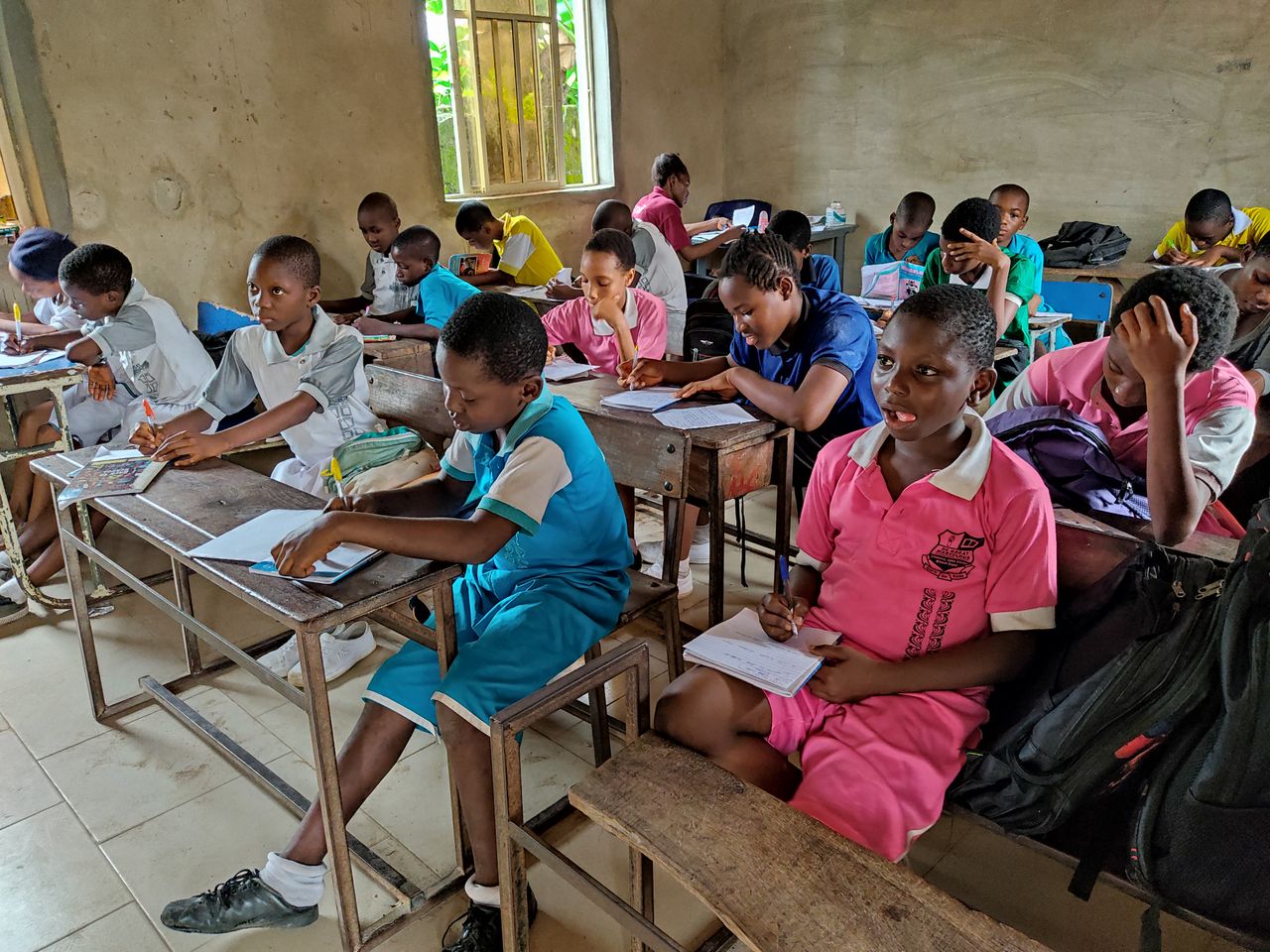
The Classroom Era
The institutions Nigeria built on education, and the history quietly being forgotten.
The Streamer Economy
Algorithms reward attention, not accuracy. Confidence performs better than competence.
A Blunt Question
'How many cars do you have?', the line that reframed the whole debate.
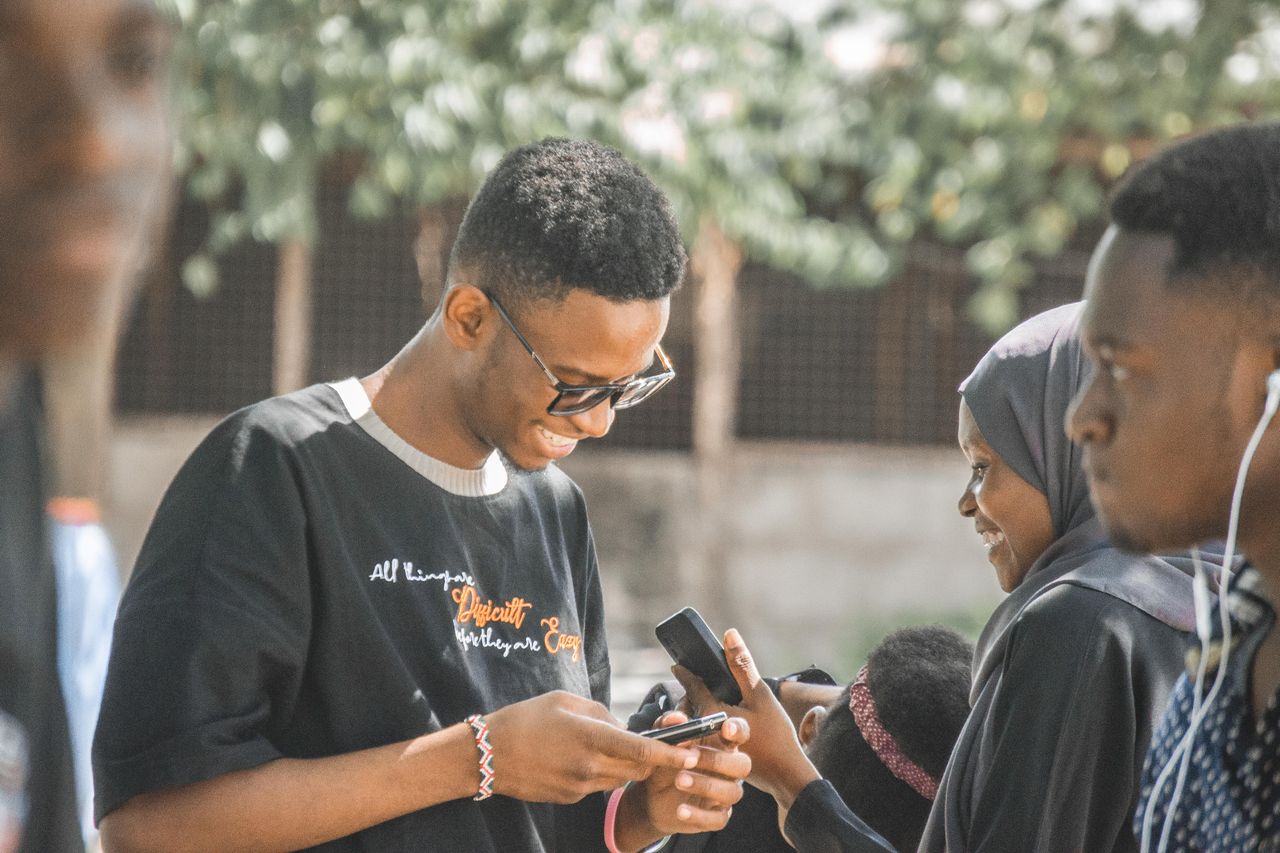
The Feed That Feeds Us
What our screens reward, we slowly become.
How We Got Here
Four turns that took two words from a podcast clip to a national argument.
- 1
The Spark
Ycee, on the Afropolitan Podcast, says Nigerian society 'no longer celebrates academic excellence,' describing a shift from 'Yahoo culture' to 'Peller culture', and names the moment an Olodo Uprising.
- 2
The Pushback
Peller rejects being singled out, arguing societal issues shouldn't be pinned to one person. He reduces the conversation to a blunt question: 'How many cars do you have?'
- 3
The Expansion
Daddy Freeze argues financial success is itself proof of intelligence. Jarvis brings the economic angle, limited jobs, growing digital opportunity, into the discussion.
- 4
The Spread
Commentators, op-ed writers, and everyday Nigerians pick up the phrase. It stops being about specific individuals and becomes shorthand for a wider cultural mood.
The Two Sides
Both arguments, in their own words. Fairly weighted, pick your own thread.
- The 'Olodo uprising' framing risks elitism, mocking people for surviving in an economy that failed to use their education.
- Many branded 'olodo' came from backgrounds without access to quality schooling, and built real income and platforms anyway.
- Success has always been defined differently by different generations, today's tools are new, not necessarily worse.
- The graduates the system fails and the streamers it calls 'olodo' are arguably both products of the same dysfunction.
“An olodo was never just someone who didn't go to school, it's someone who fails where basic reasoning should have helped. This isn't a fight between the educated and the uneducated. It's a fight about judgement, and who is allowed to have a platform without it.”
The Drive
Lessons from the archetype
Nigeria calls “olodo.”
Set the name-calling aside. Look past the prank videos and the insults, and a familiar Nigerian story is sitting underneath the label: someone the formal system didn't work for, who built something anyway.

Resourcefulness without a roadmap.
Often the label is standing in for something more specific. Nigeria would do well to ask why so many of its most resourceful people had to find that roadmap outside the classroom.
Resourcefulness over credentials
What they built, they built by reading the room, testing what worked, and adjusting fast, skills no classroom guarantees and no certificate measures.
Comfort with public failure
Most people are taught to fear failing in front of others. This archetype fails in front of millions and keeps going.
Reading the economy, not the syllabus
While the formal system kept producing graduates for jobs that don't exist, this group built attention into a business model, responsive to where money was actually moving.
Self-belief without external validation
No gatekeeper handed out permission to start. Deciding you're worth watching before anyone agrees is a genuinely hard skill.
The uncomfortable truth about the system
Their existence is also an indictment, not just an inspiration. If the formal system worked, fewer people would need an alternative this loud.
Where Do We Go From Here?
Calling people olodo won't rebuild Nigeria's education system, create jobs, or fix governance. But the argument itself has done something useful, it's forced a question into public conversation that's usually left unspoken: what is Nigeria actually rewarding right now, and is that what it wants to keep rewarding?
Where do you sit? Take the quiz